
Compare the best team collaboration tools for remote teams and freelancers in 2026, with picks for chat, projects, and documents.
Best Team Collaboration Tools for Remote Teams and Freelancers in 2026 Read Post »

Compare the best team collaboration tools for remote teams and freelancers in 2026, with picks for chat, projects, and documents.
Best Team Collaboration Tools for Remote Teams and Freelancers in 2026 Read Post »
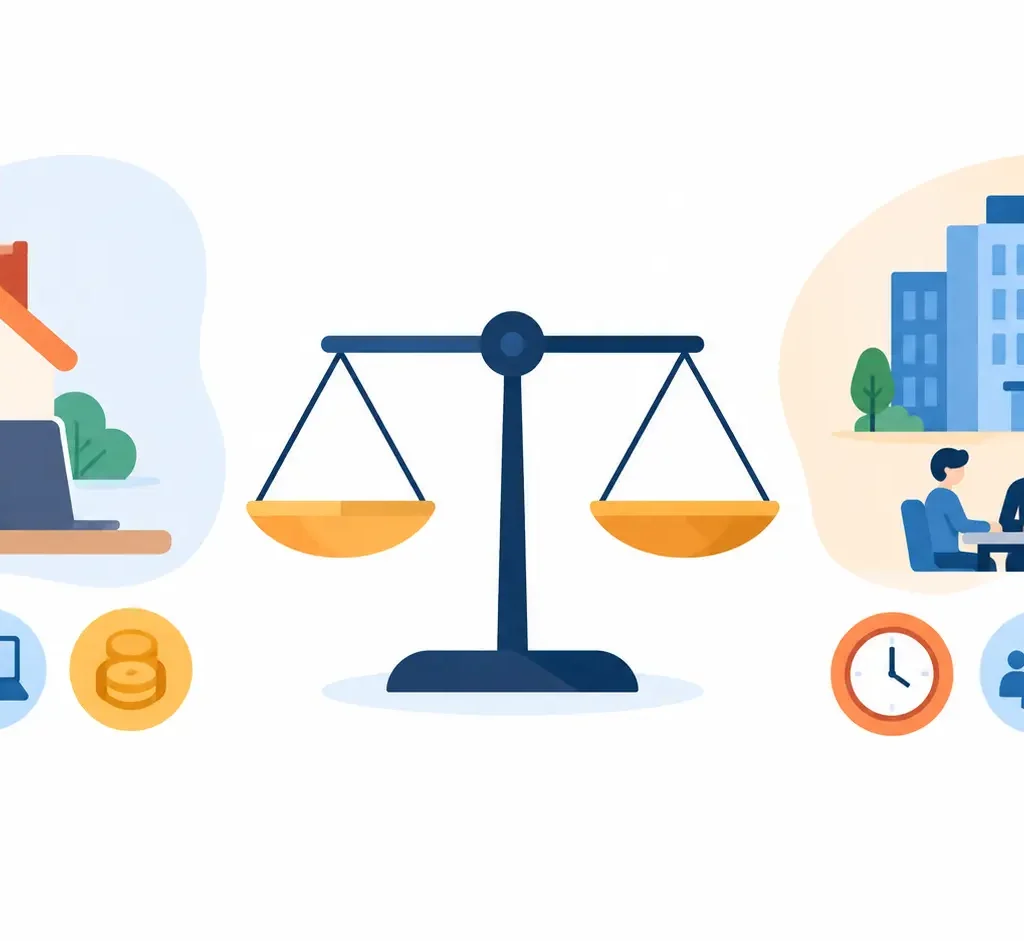
Remote or office—which actually works best for you? This complete guide compares cost, productivity, flexibility, and balance across home and work, with practical tips to help you choose or combine both.
Home and Work: The Complete Guide to Choosing Where You Work Best 2026 Read Post »
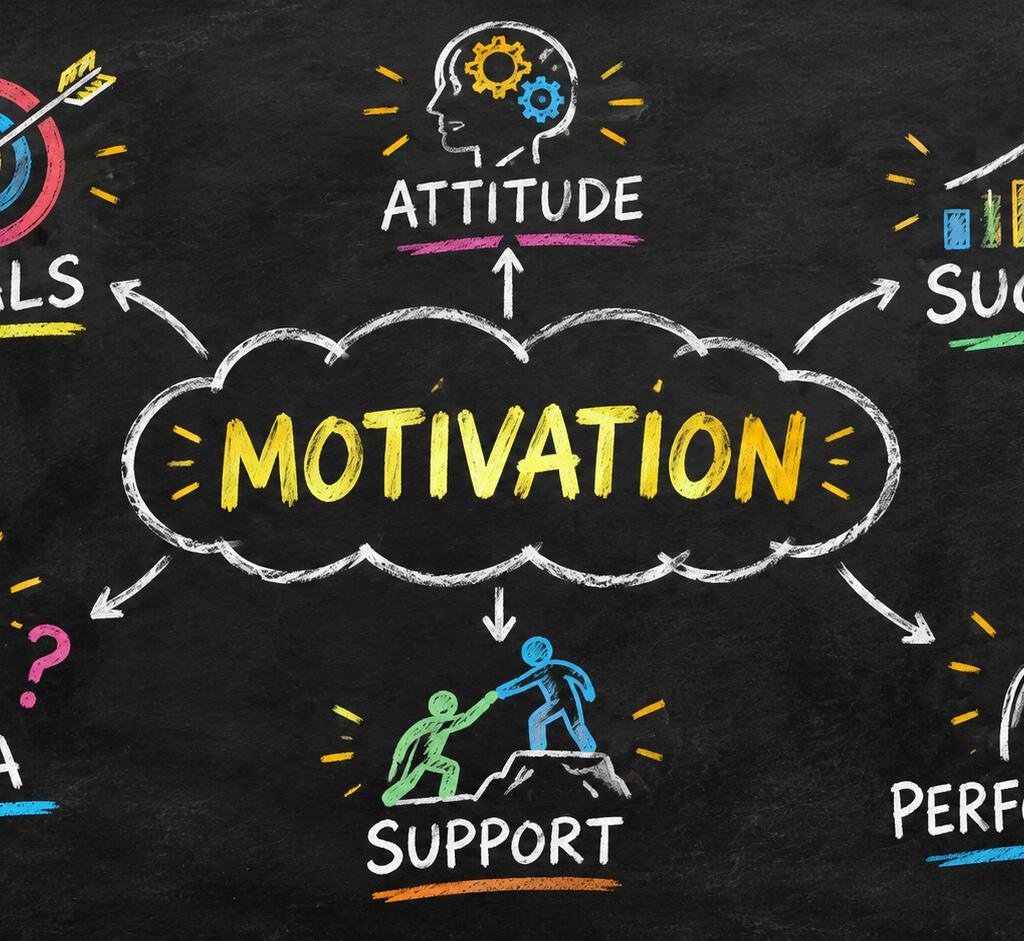
Practical, research-backed ways to stay motivated when working from home alone in 2026 — structure, social connection, and what to do when isolation hits
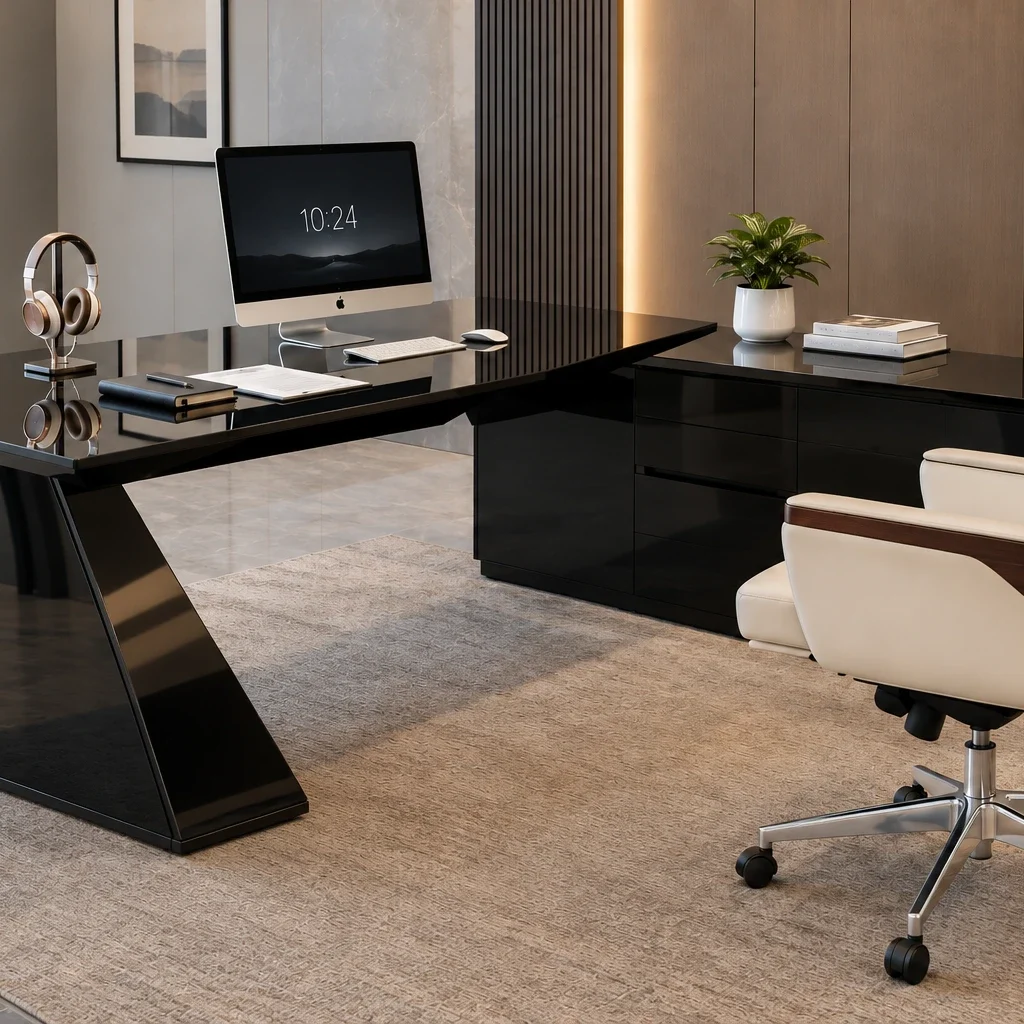
Thinking about a glass desk? Here’s an honest breakdown of tempered vs frosted glass, fingerprints, noise, and real setup tips.
Glass Desk for Remote Work: Is It Actually Worth It? Read Post »

ANC and mic quality solve different problems on video calls — this guide breaks down what actually matters, plus honest picks for every budget.
Best Noise-Cancelling Headsets for Remote Work in 2026 Read Post »

Turn any spare room into a home office with ergonomic furniture, lighting, tech essentials, and tips for polished video calls.

Video calls freezing when someone starts streaming? Set up QoS on your router in under ten minutes and keep every call smooth.
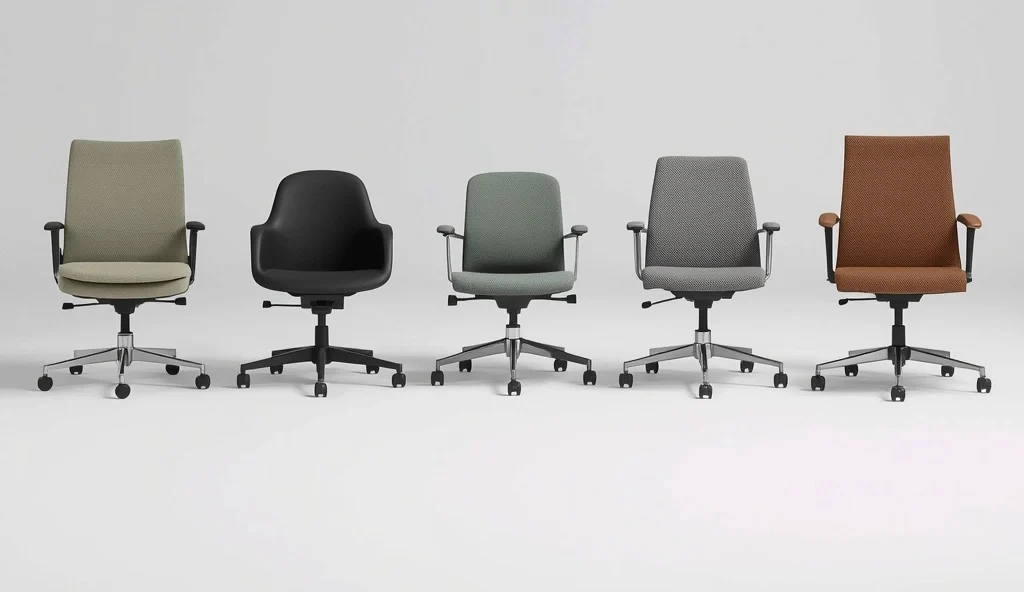
Choosing an ergonomic chair is a health decision, not furniture shopping. This guide breaks down what matters, top picks, and mistakes to avoid.
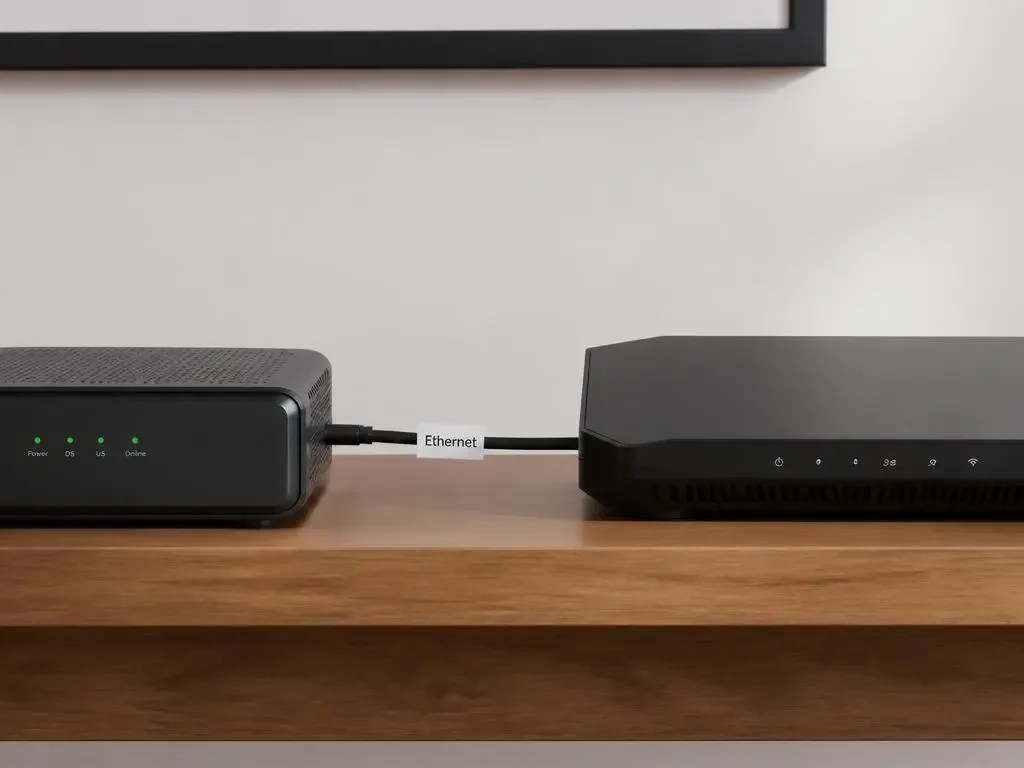
Double NAT is quietly wrecking your VPN and video calls. Bridge mode fixes it in 15–20 minutes, and it’s fully reversible.
Home› Blog› Best Daily Routine for Remote Workers Productivity · Routines The Daily Routine That ActuallyMakes Remote Work Feel Manageable A complete, hour-by-hour daily routine for remote workers — three versions for different schedules, plus the habits that make any of them actually work. 📅 2026 ⏱ 15 min read 📖 Remote Workers · Freelancers · Managers ⚡ Key Takeaways Flexibility without structure isn’t freedom — it’s ambiguity, and it’s exactly what produces weeks where you were “busy” but can’t say what you got done. Every routine that actually holds up shares five ingredients: a consistent start time, a pre-work ritual, protected deep work, defined message windows, and a real shutdown. Somewhere around 3–4 hours of genuinely focused deep work is a reasonable daily target — and it has to be scheduled on purpose, or something else will claim it first. A routine is really an energy plan wearing a time schedule’s clothes — the same task takes longer and comes out worse during a low-energy stretch than during your peak. Three anchors matter more than the rest: planning before you open email, a five-minute re-plan at lunch, and a real shutdown ritual at day’s end. Templates are a starting point, not a prescription — a 30-day tracking process reveals your actual peak hours and disruptors, which beats guessing every time. Why This Matters More Than It Would in an Office Working from home gives you a kind of freedom an office never could — start at 7am instead of 9, take a lunchtime walk without clearing it with anyone, work when your brain is actually switched on instead of whenever the office happens to be open. That flexibility is real, and it’s genuinely valuable. But flexibility without any structure underneath it isn’t freedom — it’s just ambiguity, and ambiguity stacked across every hour of every day is exactly what produces those weeks where you were “busy” the whole time but couldn’t tell anyone what you actually got done. An office hands you structure whether you want it or not — the building opens at a set time, the commute happens, people show up around you, meetings start. Working from home, you have to build that rhythm yourself, every single day. Skip it, and three specific problems tend to show up: You burn through decisions before lunch. An unstructured morning means dozens of tiny choices — when to start, what to tackle first, whether to open email or Slack first — and every one quietly drains the same mental energy that focused work needs. Your days feel full but don’t actually move anything forward. Without a plan, reactive stuff expands to fill every available hour, and the deep work you actually meant to do keeps getting pushed to “later,” which quietly becomes never. You end up working against your own energy instead of with it. That home-office focus advantage disappears fast if your hardest task lands during your worst energy window. A routine is really an energy plan disguised as a schedule. The Five Things Every Good Routine Has Regardless of what time you start or what your role looks like, a routine that actually holds up tends to have the same five ingredients: A consistent start time. Waking and starting work around the same time daily helps regulate your body’s natural rhythm — energy, sleep quality, and morning alertness all benefit. A short ritual that flips the switch into work mode. A consistent, brief sequence — movement, coffee, writing down your plan — that your brain learns to read as “work is starting now.” Deep work that’s actually protected. Around 3–4 hours of genuinely focused time is a reasonable daily target, scheduled on purpose — it won’t just appear in an unstructured day. Defined windows for messages, rather than email and Slack sitting open all day, pulling your attention every time something pings. A real shutdown ritual — a deliberate, physical way of closing the day so work doesn’t quietly bleed into your evening. Three Full-Day Templates Below are three complete routines built around different natural schedules. All three run on the same five pillars — only the clock times shift. Early Bird (Start Around 7am) Good for people who think best in the morning, parents juggling afternoon family time, or anyone syncing with earlier time zones. Time Block What Happens 5:30–6:00am Wake and move Water, a short walk or light exercise 6:00–6:20am Get ready Dressed, breakfast 6:20–6:30am Plan the day Write today’s 3 priorities, glance at the calendar 6:30–8:00am Deep work #1 Your most important task — no email, no Slack 8:00–8:15am Break Short walk, water, eyes off the screen 8:15–9:45am Deep work #2 Second priority 9:45–10:15am Messages Email, Slack replies, quick responses 10:15am–12:00pm Deep work #3 / meetings Project work or batched calls 12:00–12:45pm Lunch Away from the desk, no screens 12:45–1:00pm Re-plan afternoon Adjust based on how the morning actually went 1:00–3:00pm Meetings / lighter work Calls, reviews, admin 3:00–3:30pm Messages Clear the inbox and Slack 3:30–4:30pm Wrap up Close open items, note tomorrow’s priorities 4:30–4:45pm Shutdown Close apps, mute notifications, write tomorrow’s plan Deep work total: roughly 3.5–4.5 hours Standard (Start Around 9am) The most common shape — fits typical business hours and synchronous team schedules. Time Block What Happens 7:30–8:00am Wake and move Water, a 20-minute walk 8:00–8:30am Get ready Dressed, breakfast 8:30–8:50am Plan the day Write today’s 3 priorities, check calendar 9:00–10:30am Deep work #1 Most important task, notifications off 10:30–10:45am Break Move around, drink water 10:45–11:00am Messages Quick email/Slack pass, 15 minutes max 11:00am–12:30pm Deep work #2 Second priority or collaborative task 12:30–1:15pm Lunch Away from the desk 1:15–1:30pm Re-plan afternoon Based on how the morning actually went 1:30–3:00pm Meetings Batch calls together where you can 3:00–4:00pm Lighter work Admin, email, quick async items 4:00–4:30pm Messages Final clearance for the day 4:30–5:00pm Wrap up and shutdown Tomorrow’s plan, close everything Deep work total: roughly 3–4 hours Night Owl (Start Around 11am) Works well for people with a natural late-morning energy peak, …