2026 Complete Guide
IDEAL HOME OFFICE SETUP
A good home office setup isn't about spending the most money. It's about building a space that works the way you do — one that keeps your body comfortable, your mind clear, and your day flowing naturally. Whether you have a spare room or just a quiet corner, this guide walks you through getting it right from the start.
Table of Contents
Toggle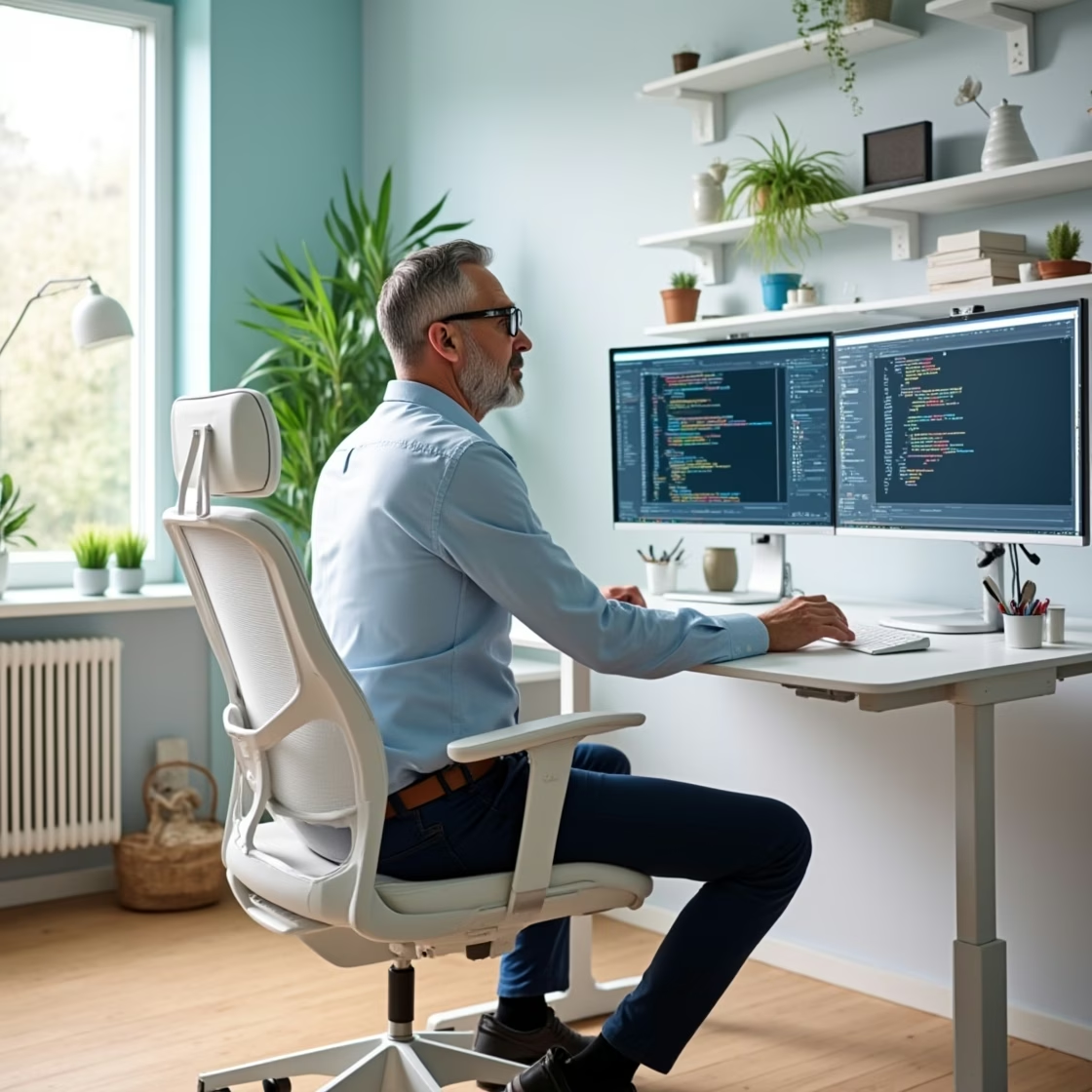
Why Your Home Office Setup Changes More Than You Think
Here's something most people don't consider: the space you work in every day shapes how well you think, how long you can focus, and how your body feels by 5 PM. I didn't take this seriously for the first year I worked remotely — I worked off a dining chair for months and just assumed the constant lower-back ache was "part of the job." It wasn't. A noisy, uncomfortable, or poorly organized workspace quietly drains your energy, hour by hour, without you even noticing.
A thoughtfully built workspace works the opposite way. It removes the small daily frictions so you can sit down, get into the work quickly, and keep going without your environment fighting against you.
01
Sharper Focus
A space used only for work teaches your brain to shift into focus mode the moment you sit down, and stay there.
02
Physical Comfort
The right desk and chair protect your back, neck, and wrists from strain that builds slowly and becomes hard to undo.
03
Work-Life Balance
A defined workspace makes it easier to mentally leave work behind at the end of the day, even when your home and office are the same four walls.
📌 The Truth About Home Offices
You don’t need a big budget or a dedicated room. Many remote workers do their best work from a simple desk in a quiet corner. What matters most is that you set it up with care — and use it consistently.
Pick the Right Space in Your Home
Before you spend a single dollar on furniture, decide where your home office will actually live. This one decision affects everything else — your focus, your posture, and your ability to switch off at the end of the day.
The single most important thing to look for is quiet. A spot away from the TV, away from busy hallways, with at least a visual boundary between work and the rest of your home. Everything else — lighting, furniture, tech — can be fixed later. A noisy location can't.
Which Space Works Best for You?
Spare Room
The best option by far. Full privacy, a door that closes, clean separation between work and home life.
Bedroom Corner
Works well with a small shelf or curtain divider. Keep your desk facing away from your bed so it doesn’t creep into your sleep space, mentally or literally.
Living Room
A practical choice if you live alone. A bookshelf or room divider creates a clear boundary for your work area.
Converted Closet
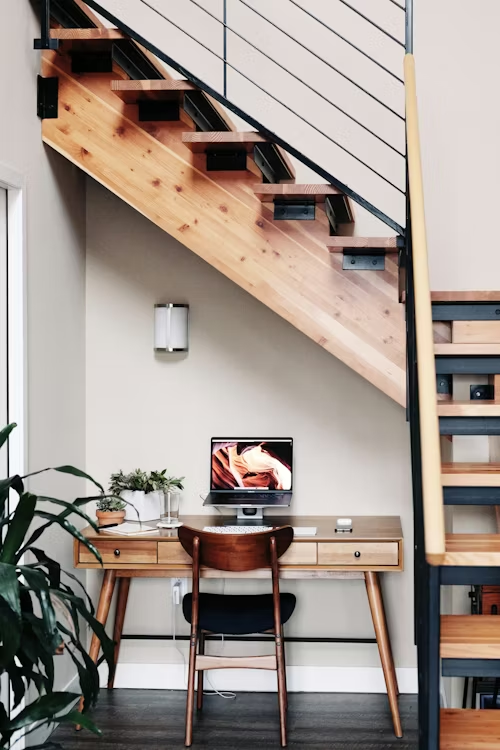
Surprisingly effective. A small desk, a good lamp, and some shelving turn even a large closet into a focused workspace. I know someone who swears by this setup — says the small footprint actually helps her concentrate.
Garden Room
An excellent option if you have the space for it. The short walk outside and back creates a natural start and end to your workday, almost like a real commute.
Dining Room
A last resort. Dining areas are hard to keep as a dedicated workspace — there’s always a reason someone needs the table back. Use this only if nothing else is available.
Natural light is nice to have but never a requirement. A good adjustable desk lamp works perfectly fine in any room — quiet wins over a window every time when it comes to sustained focus.
Don’t skip the chair to cut costs. A cheap chair costs you far more in back pain and lost energy within the first few months than any money you saved buying it.
Choose the Right Desk and Chair
Your desk and chair are the two most important pieces of your home office. Get them right and everything else becomes easier to figure out. Get them wrong, and no amount of gadgets will make your workspace genuinely comfortable.
🪑The Chair — Your Most Important Buy
If you sit for six to eight hours a day, your chair is the most important piece of furniture you own, full stop. A poor-quality chair slowly breaks down your posture and your energy over weeks, not days.
Lumbar support—Should follow and hold the natural inward curve of your lower back throughout the day.
Seat height—Adjustable so your feet rest flat on the floor and your knees sit at roughly a 90-degree angle.
Armrests—Set at a height that lets your shoulders stay relaxed while you type.
Breathable back — A mesh backrest keeps air moving and prevents overheating during long sessions.
Seat depth — Leave a two to three finger gap between the seat edge and the back of your knees.
You don't need to spend a fortune here, but this is genuinely the one item where "cheap" usually turns out expensive later — in physio bills, if nothing else.
📐 The Desk — Size and Height
Your desk needs to be wide enough to hold your monitor, a notebook, and a drink without feeling cramped. For most people, something between 47 and 55 inches wide is the right size.
To test your desk height: sit with good posture and rest your hands on the surface. Your elbows should bend at around 90 degrees. If your shoulders rise when you type, the desk is too high. If you lean forward, it’s too low. Both cause real problems over time.
A sit-stand desk is one of the best long-term investments you can make for your health and daily energy. It’s not essential when you’re starting out, but worth adding as your budget grows.
Avoid glass desks. They look sleek in photos, but they reflect overhead light straight into your eyes and show every fingerprint and smudge within hours. They also give zero cushioning for wrist support during long typing sessions. A simple wood or laminate desk is far more practical for everyday work.
Set Up Your Tech the Smart Way
Once your furniture is sorted, your technology determines how efficiently you actually work each day. You don't need the fastest or most expensive gear — you need the right tools for your specific job, placed correctly.
🖥️ Monitor — One Upgrade That Changes Everything
If you work from a laptop alone, adding an external monitor is the single most effective upgrade you can make. More screen space means less time switching between tabs and noticeably less eye strain by the end of the afternoon.
24 to 27 inches —The sweet spot for most home office desks — large enough to be useful, compact enough not to overwhelm the space.
Full HD minimum —1080p for everyday tasks; 2K or 4K if you do design, video editing, or detailed visual work.
Eye-care display—Flicker-free with a low blue-light mode for long sessions.
Eye-level height —Use a monitor arm or stand so the top edge sits level with your eyes.
⌨️ Keyboard, Mouse, and Headset
An external keyboard and mouse let you position your hands naturally while keeping your screen at the correct height. For most laptop users, this single change removes the main cause of daily wrist and neck strain.
Full-size keyboard
Keeps your wrists straight and removes the discomfort of typing on a cramped laptop keyboard for hours.
Ergonomic mouse
Fits your hand naturally and reduces wrist and shoulder tension over long sessions.
Noise-canceling headset
Blocks background distractions and keeps your audio clear on every call.
Internet Connection
A slow or dropping connection breaks your focus and damages your reputation on calls — and weak security puts your data at risk too. Use a wired Ethernet connection where possible, keep your router firmware updated, and set a strong password.
Create a Space You Actually Want to Sit In
The physical feel of your surroundings — the light, the temperature, the small personal details around you — affects how you think and perform more than most people realize. These are easy to overlook and just as easy to get right once you know what to look for.
💡 Lighting —Small Change, Big Difference
Poor lighting causes headaches, tired eyes, and that familiar mid-afternoon slump. Good lighting keeps you alert and makes you look polished on video calls.
Position your desk so natural light comes in from the side, not directly behind or in front of your screen.
Use an adjustable LED desk lamp for focused work and darker days.
Shift to warmer light tones after 4 PM to protect your sleep quality that night.
A small ring light or forward-facing lamp makes a noticeable difference on video calls.
🌿 Air, Temperature, and Personal Touches
A slightly cool room, around 68 to 72°F, keeps your mind noticeably sharper than a warm one. Open a window when you can — fresh air is one of the most overlooked fixes for afternoon brain fog.
Add one or two personal touches — a small plant, a framed photo, your favorite mug. They cost almost nothing but make a real difference. A workspace you enjoy sitting in is one you’ll naturally perform better in. My own desk plant has survived exactly one round of neglect and I count that as a personal win.
Add a small plant, a framed photo, or your favorite mug. These details cost almost nothing but make a real difference — a space you enjoy sitting in is a space you will work better in.
Build Your Ideal Home Office on Any Budget
You don't have to spend a lot to build a workspace that genuinely works. Here's what to prioritize at three different budget levels, so you can start today and grow from there.
Starter Setup Under $300
A budget ergonomic chair with lumbar support, a sturdy secondhand desk, an adjustable desk lamp, and a wired keyboard and mouse combo. Simple, practical, and comfortable from day one.
Solid Setup Under $600
A mid-range ergonomic chair with adjustable armrests, a proper 47–55 inch desk, a 24-inch external monitor, and a wireless keyboard and mouse combo. Everything you need to work comfortably for long hours without cutting corners on the essentials.
Professional Setup Under $1,000
A sit-stand desk, a noise-canceling headset, a quality webcam, and layered lighting. A complete, long-term home office that handles any type of remote work comfortably and looks professional on every call.
DIY Tips
Stack books under your monitor to raise it, roll a towel for lumbar support, and shop secondhand for furniture. Most ergonomic improvements cost nothing — they’re just about using what you already own more wisely.
⚠️ Don’t Do This: Never spend your full budget on tech and leave nothing for a proper chair. A great monitor paired with a $30 chair is one of the most common — and most painful — home office mistakes. Chair first, always.
Your Home Office Is Worth Getting Right
You spend more hours at your desk than almost anywhere else in your life. A setup that supports your body, clears your thinking, and fits naturally into your day isn't a luxury — it's a practical investment in how well you work every single day.
Start with what you have right now. Fix your chair first. Raise your screen. Improve your lighting. Then build from there, one well-chosen upgrade at a time.
The right home office setup isn’t about having everything. It’s about having the right things — and using them well every day.